Machinery and equipment are the backbone of any industrial, automotive, marine, or energy operation. Ensuring their optimal performance and longevity is critical for productivity, efficiency, and cost savings. One of the most effective ways to extend the life of machinery is through proper lubrication. The right lubricants, applied correctly and maintained consistently, can prevent wear, reduce downtime, and protect valuable assets. This guide will explain how businesses in the UAE and beyond can extend machinery life with high-quality lubricants and best practices.
Why Proper Lubrication Matters
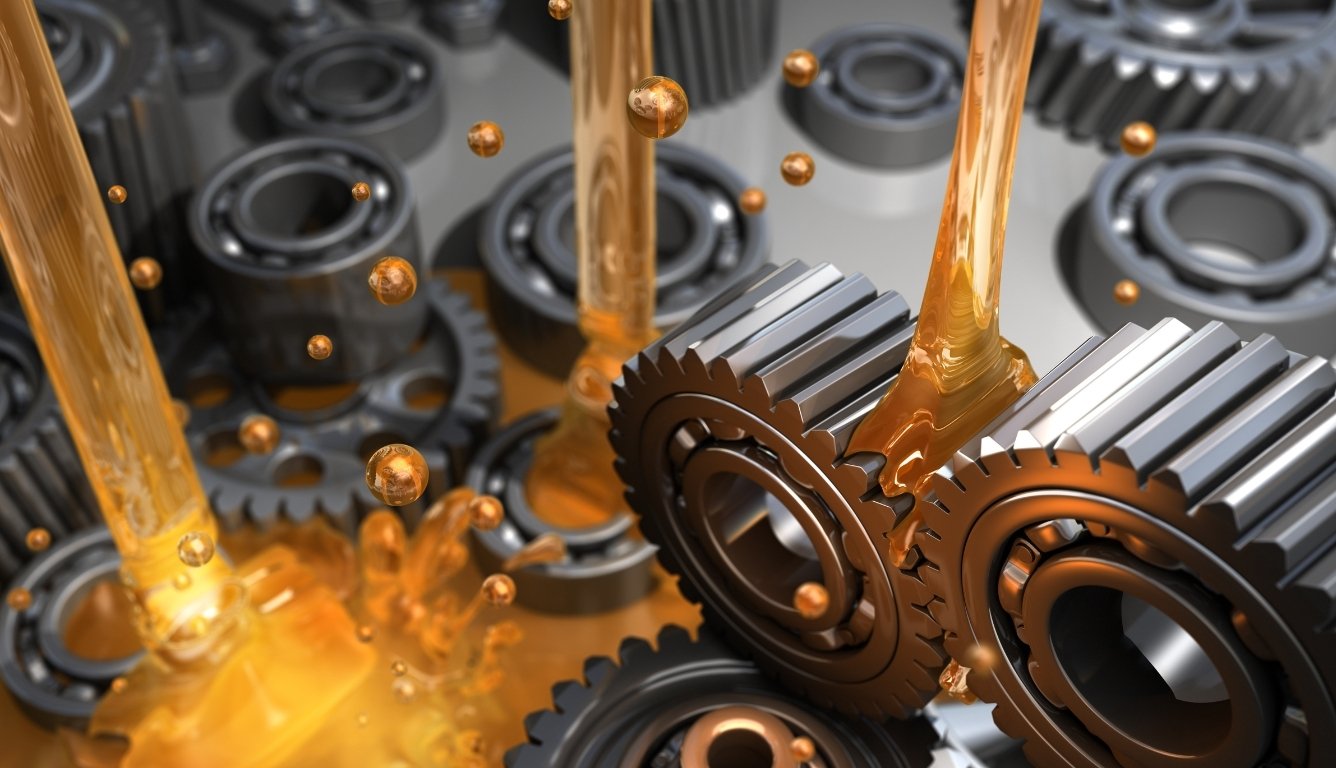
Lubrication reduces friction between moving parts, dissipates heat, prevents corrosion, and protects against wear and tear. Without the correct lubrication, machinery can overheat, seize, or fail, leading to expensive repairs and operational delays. The right lubricants not only protect equipment but also improve efficiency, reduce energy consumption, and enhance overall performance.
In harsh UAE environments, where high temperatures and dusty conditions are common, selecting lubricants designed for these challenges is especially important. Using poor-quality or incorrect oils and greases can significantly shorten the life of your machinery.
Types of Lubricants for Machinery
Choosing the correct lubricant depends on the type of machinery and its operating conditions. Here are the main categories:
1. Engine Oils
Used in vehicles and heavy-duty equipment, engine oils reduce friction, prevent overheating, and ensure smooth operation. High-quality synthetic or mineral oils protect engines under heavy loads and extreme temperatures.
2. Industrial Lubricants
Hydraulic oils, gear oils, and compressor oils are essential for industrial machinery. They maintain optimal performance, reduce friction, and prevent wear in manufacturing plants, production lines, and heavy equipment.
3. Greases
Greases are ideal for high-pressure applications, bearings, and joints. They stay in place longer than oils and provide superior protection for critical components, especially in industrial and marine equipment.
4. Specialty Lubricants
These include oils and greases designed for specific conditions, such as extreme temperatures, high-pressure machinery, or environmentally friendly operations. Specialty lubricants help maximise performance and reliability in unique applications.
5. Marine Lubricants
Marine engines and onboard systems require lubricants that resist corrosion, heat, and mechanical wear, ensuring reliable performance in harsh marine environments.
Best Practices to Extend Machinery Life
Proper lubrication alone is not enough; it must be applied and maintained correctly. Here are key best practices:
1. Follow Manufacturer Recommendations
Always use lubricants that meet the manufacturer’s specifications for viscosity, additives, and grade. Using incorrect products can void warranties and damage equipment.
2. Maintain Regular Lubrication Schedules
Establish a consistent maintenance routine for changing oils, greases, and other lubricants. Timely lubrication prevents friction build-up and reduces wear on moving parts.
3. Monitor Operating Conditions
High heat, dust, moisture, and heavy loads affect lubricant performance. Choose products formulated for your specific operating environment and monitor equipment for signs of strain.
4. Perform Lubricant Analysis
Regular oil and grease analysis helps detect contamination, degradation, or wear particles. This allows proactive maintenance and prevents unexpected breakdowns.
5. Use High-Quality Lubricants
Invest in premium lubricants with anti-wear, anti-corrosion, and anti-oxidation additives. High-quality products reduce maintenance costs, improve efficiency, and extend machinery life.
6. Train Staff on Proper Lubrication Practices
Ensure that operators and maintenance personnel understand correct application techniques, storage requirements, and safety measures for handling lubricants.
Common Mistakes to Avoid
Even with the right lubricants, mistakes can reduce their effectiveness:
Mixing incompatible lubricants
Using low-quality oils to cut costs
Ignoring manufacturer recommendations
Skipping scheduled maintenance
Poor storage of lubricants
Avoiding these errors ensures equipment remains protected and performs efficiently over time.
Benefits of Proper Lubrication
Implementing proper lubrication practices provides numerous advantages:
Reduced Equipment Wear: Friction and heat damage are minimised.
Lower Maintenance Costs: Less frequent breakdowns and replacements.
Improved Efficiency: Smooth operation reduces energy consumption.
Extended Lifespan: Machinery lasts longer, increasing ROI.
Reliable Performance: Reduced downtime and operational interruptions.
These benefits are particularly valuable for businesses operating in the UAE, where heavy-duty machinery and vehicles are exposed to extreme environmental conditions.
Tips for UAE Businesses
Choose lubricants that withstand high temperatures and dusty environments.
Maintain a record of lubrication schedules and oil changes.
Partner with a trusted lubricant supplier offering technical support.
Conduct regular equipment inspections and oil analysis to identify early issues.
Invest in eco-friendly or biodegradable lubricants when possible to comply with environmental regulations.
Following these tips helps businesses maximise productivity, reduce repair costs, and maintain consistent operations.
Conclusion
Extending machinery life is essential for operational efficiency, cost savings, and long-term success. Proper lubrication, combined with regular maintenance, monitoring, and high-quality products, ensures that engines and equipment perform reliably under demanding conditions.
By selecting the right lubricants and implementing best practices, businesses in the UAE and beyond can protect their assets, reduce downtime, and improve productivity. Investing in quality lubrication solutions today is a strategic decision that safeguards your machinery and supports sustainable operations for the future.
Take proactive steps today — optimise your lubrication practices and maximise the life and performance of your machinery.